
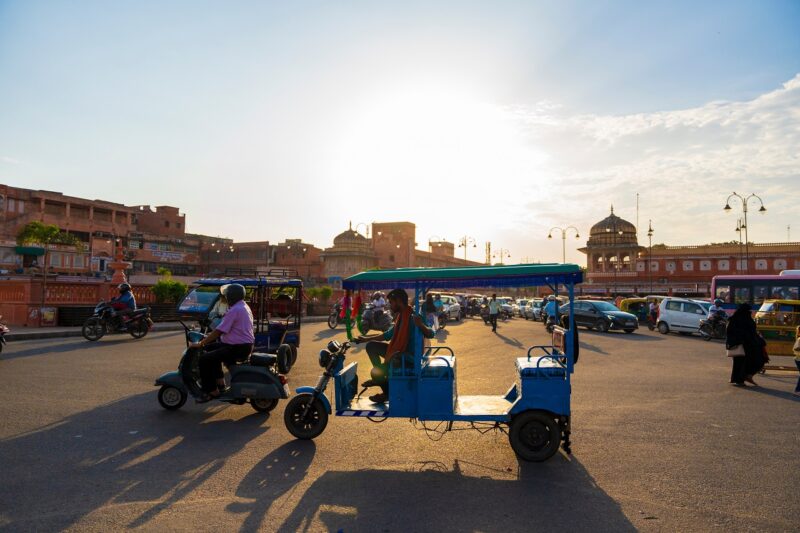
India can feel overwhelming for first-time visitors because social norms, public behavior, and daily routines differ from many Western countries. Most challenges travelers face are not due to safety risks but to cultural misunderstandings and unrealistic expectations. Understanding local etiquette, basic safety practices, and common visitor mistakes can significantly improve comfort and confidence.
This guide explains what to know before traveling to India for the first time, including essential cultural norms, practical safety tips, and frequent errors to avoid.
Understanding Cultural Norms Before You Arrive
India is not culturally uniform. With 28 states, multiple religions, and dozens of languages, customs can vary significantly between regions. However, certain social patterns remain consistent across the country and shape everyday interactions.
Respect for elders and authority figures is deeply embedded in Indian society. Age often influences social hierarchy, and polite language or formal address is expected in many situations. Public behavior tends to be more reserved than in many Western countries, particularly in rural areas and smaller towns.
Communication in India can also be indirect. A response such as “yes” may sometimes indicate agreement to try rather than a firm commitment. Observing tone, body language, and context is important for understanding intent.
First-time visitors benefit from approaching India with patience and curiosity rather than comparison. Adapting to local norms, even in small ways, makes interactions smoother and reduces unnecessary misunderstandings.
Essential Cultural Etiquette for Daily Interactions
Understanding everyday etiquette helps first-time visitors navigate India with confidence and avoid unintended disrespect. Small adjustments in behavior can significantly improve how interactions unfold.
Greetings and Social Conduct
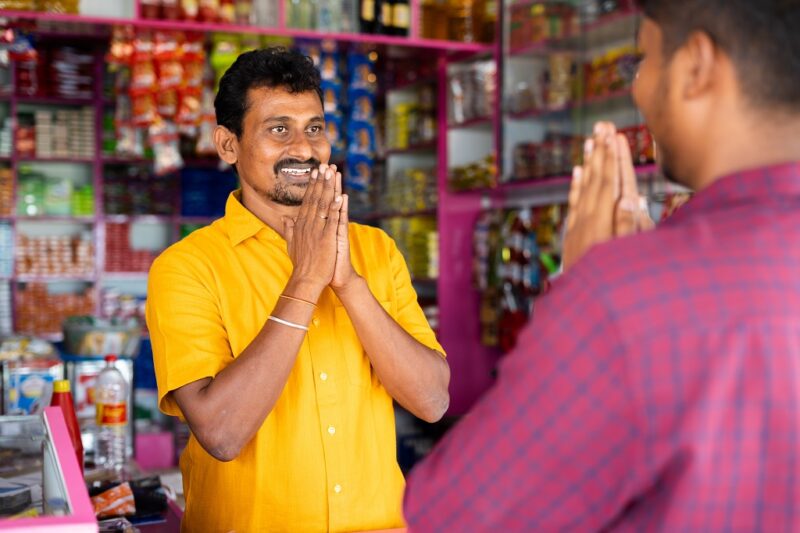
- A slight nod or the greeting “Namaste” with palms pressed together is widely accepted.
- Handshakes are common in urban and professional settings but may not be appropriate in conservative environments.
- Avoid overly familiar gestures, especially with someone of the opposite gender.
Dress and Modesty
Modest clothing is recommended, particularly in rural areas and religious sites. Covering shoulders and knees is advisable when visiting temples, mosques, and traditional communities. Lightweight, loose clothing is both culturally appropriate and practical in India’s climate.
Shoes and Sacred Spaces
Removing shoes before entering temples, some shops, and private homes is customary. Always observe signage or follow what locals are doing.
Hand Usage and Public Behavior
- Use your right hand when eating or passing items.
- Avoid pointing with your feet or touching someone’s head.
- Public displays of affection may attract unwanted attention and are generally discouraged.
Personal Space
Crowded public spaces are normal in India. Physical proximity is usually unintentional due to population density rather than rudeness. Maintaining calm body language helps avoid unnecessary tension.
Following these etiquette principles reduces cultural friction and signals respect for local norms.
Safety Tips for First-Time Visitors to India
India is generally safe for tourists, but awareness and preparation reduce avoidable risks. Most safety concerns involve petty theft, transport confusion, food hygiene, or document issues rather than serious crime.
Situational Awareness
According to the U.S. Department of State travel advisory guidance, travelers should remain alert in crowded places such as markets, train stations, and festivals where pickpocketing can occur. Keep valuables secure and avoid displaying large amounts of cash.
Transportation Safety
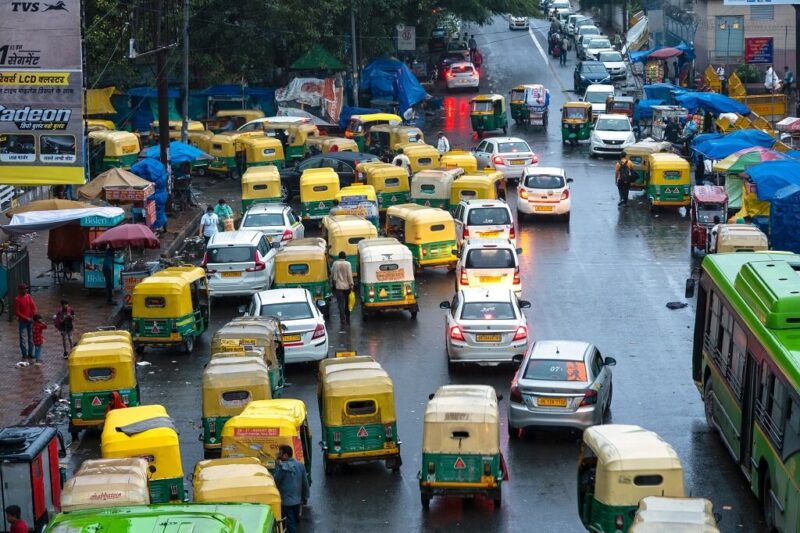
- Use registered taxis, hotel-arranged transport, or reputable ride-hailing apps.
- Avoid unofficial drivers approaching you at airports or railway stations.
- Confirm fares in advance if using local taxis without meters.
According to the UK Foreign, Commonwealth and Development Office, travelers should verify transport providers and avoid traveling alone late at night in unfamiliar areas.
Food and Water Precautions
- Drink bottled or filtered water only.
- Avoid ice unless confirmed to be made from purified water.
- Choose busy food stalls with high turnover for fresher meals.
Food-related illness is more common than security incidents for first-time visitors.
SIM Cards and Connectivity
Access to a local SIM card improves safety and convenience. Ride bookings, digital payments, and travel confirmations often require mobile verification.
Documentation and Administrative Preparedness
Carry photocopies or digital backups of your passport and visa. Some travelers staying for extended periods may need official paperwork translated for administrative or legal purposes. Using a professional document translation service ensures that supporting documents meet local requirements and helps prevent delays in visa processing or registrations.
Preparation, awareness, and organized documentation significantly reduce common travel complications in India.
Common Mistakes First-Time Travelers Make in India
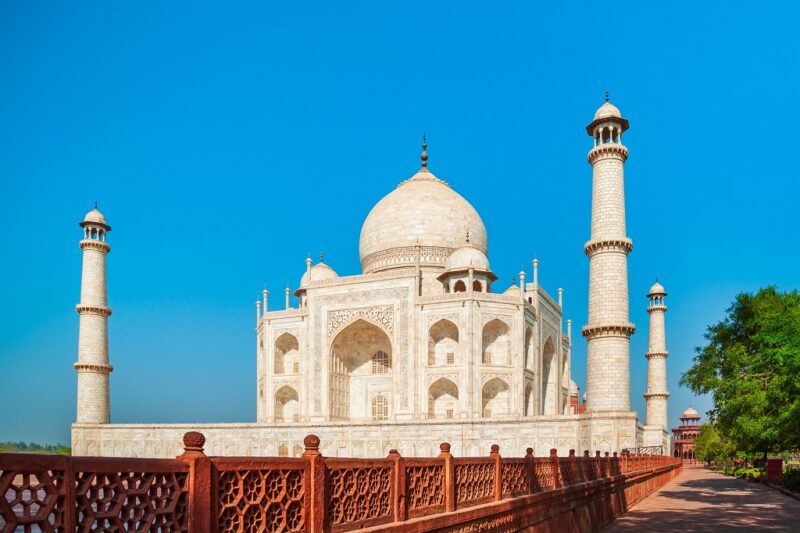
Many first-time visitors experience unnecessary stress because of unrealistic expectations or rushed planning. Avoiding common mistakes makes the trip more manageable and enjoyable.
Trying to See Too Much in One Trip
India is geographically large and travel between cities can take longer than expected. Road congestion, train delays, and domestic flight changes are common. Attempting to visit multiple distant regions in a short visit often leads to exhaustion rather than meaningful experiences. Focusing on one state or region allows for deeper exploration.
Assuming One Version of India Represents the Whole Country
Cultural norms, cuisine, language, and pace vary significantly between states. Experiences in Delhi, Kerala, Rajasthan, or Tamil Nadu can feel entirely different. Judging the country based on a single city leads to inaccurate conclusions.
Underestimating Travel Time
Traffic conditions in major cities can be unpredictable. Train platforms and airports can be crowded. Building buffer time into daily plans reduces stress and prevents missed connections.
Misinterpreting Curiosity as Hostility
Foreign travelers may attract attention, especially outside major tourist hubs. Staring is often driven by curiosity rather than aggression. Remaining calm and composed prevents escalation.
Expecting Western Standards of Punctuality
Time flexibility is common in many parts of India. Delays do not necessarily indicate disorganization. Adjusting expectations helps avoid frustration.
Avoiding these common mistakes improves comfort and allows first-time visitors to engage with India more confidently.
Food, Markets, and Money: What Visitors Often Misjudge
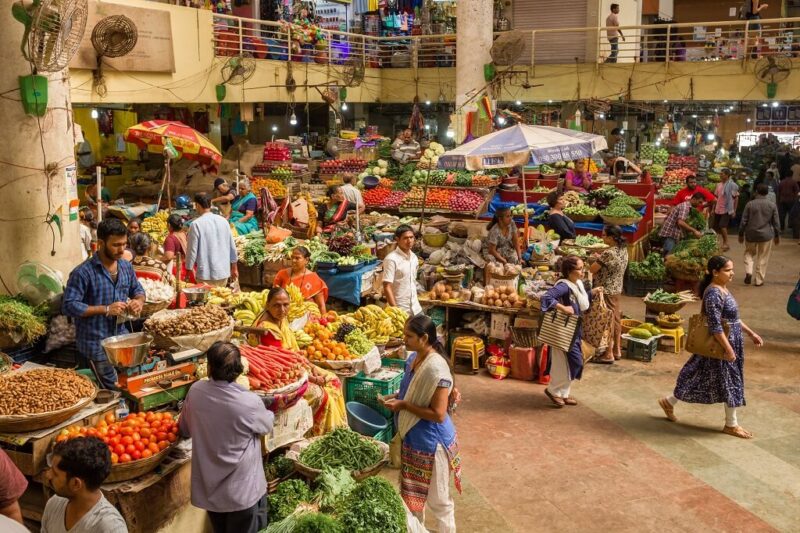
Daily transactions and food experiences in India operate differently than in many Western countries. Understanding these differences reduces discomfort and prevents common misunderstandings.
Eating Street Food Safely
Street food is an important part of Indian cuisine, but hygiene standards vary. To reduce the risk of illness:
- Choose stalls with high customer turnover
- Avoid raw salads or unpeeled fruits
- Do not consume tap water or ice unless purified
- Observe how food is stored and prepared
Busy vendors are generally a safer choice than empty stalls.
Handling Cash and Digital Payments
India has rapidly adopted digital payments, but cash remains necessary in many markets and smaller towns. Carry small denominations for local vendors and transport. Avoid displaying large amounts of cash in crowded areas.
Bargaining in Local Markets
Bargaining is common in street markets but not in shopping malls or fixed-price stores. Approach negotiation respectfully:
- Begin with a reasonable counteroffer
- Maintain a calm tone
- Walk away politely if the price does not meet your budget
Aggressive bargaining over small amounts may be perceived as disrespectful.
Understanding Price Differences
Foreign visitors are sometimes quoted higher prices in informal markets. This is common in tourist areas. Politely negotiating or comparing prices between vendors helps establish a fair rate.
Understanding food safety, payment practices, and market etiquette allows first-time visitors to navigate daily transactions with confidence.
Gender Awareness and Social Expectations
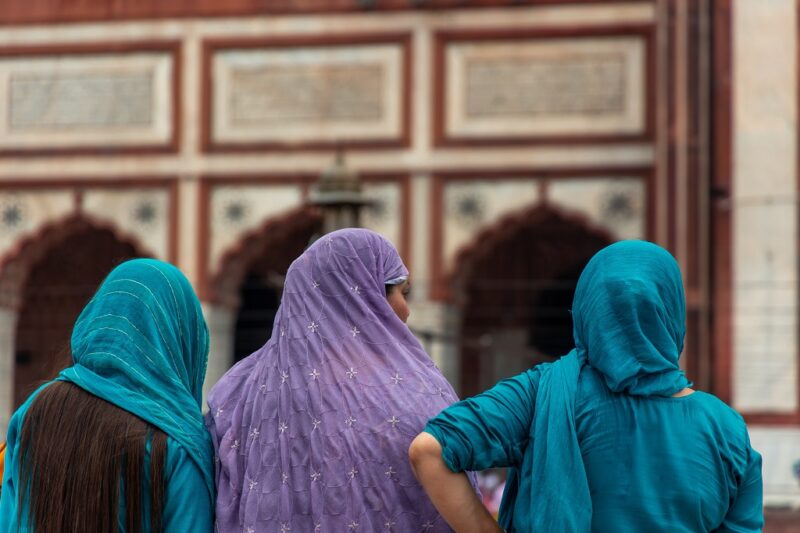
Gender roles in India vary by region, generation, and setting. Urban areas tend to be more progressive, while smaller towns and rural communities may follow more traditional norms. Understanding these differences helps visitors navigate social interactions comfortably.
Modesty Expectations
Modest dress is recommended for both women and men, especially in religious sites and conservative areas. Clothing that covers shoulders and knees attracts less attention and aligns with local expectations. Dressing thoughtfully reduces unnecessary scrutiny rather than limiting personal expression.
Handling Persistent Vendors or Attention
Street vendors and service providers can be persistent, particularly in tourist areas. A polite but firm “no” is usually effective. Repeating refusals calmly and avoiding extended engagement helps end unwanted sales approaches.
Public attention toward foreign travelers is often driven by curiosity rather than hostility. In many areas, visitors may be asked for photographs or personal questions. Responding calmly or declining politely maintains control of the interaction.
Setting Boundaries Respectfully
If an interaction feels uncomfortable, maintain confident body language and clear verbal responses. Avoid escalating situations through confrontation. Moving toward well-lit or populated areas is a practical way to disengage.
Mixed-Gender Interactions
Public displays of affection are generally discouraged. Physical contact between unrelated men and women may attract attention in conservative areas. Observing how locals interact provides useful guidance for appropriate behavior.
Awareness of gender expectations helps first-time visitors interpret situations accurately and respond in a balanced and confident manner.
Conclusion
Traveling to India for the first time requires cultural awareness, realistic expectations, and practical preparation. Most challenges visitors experience are related to misunderstanding social norms rather than safety risks.
Respecting local etiquette, staying alert in crowded environments, and allowing flexibility in travel plans improve both comfort and confidence. Small adjustments in dress, communication style, and daily behavior significantly reduce friction.
First-time visitors who approach India with patience and openness often find interactions welcoming and memorable. Understanding cultural etiquette, safety practices, and common mistakes allows travelers to experience the country with clarity rather than uncertainty.