
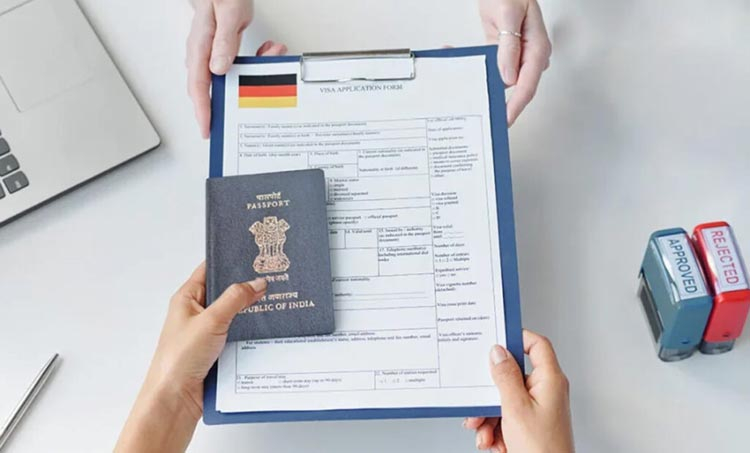
Planning a Germany trip from India in 2026 feels exciting until the visa paperwork shows up. Then suddenly, flights, hotel bookings, bank statements, insurance, appointment slots, and document checklists all start looking a little too serious.
The good news is that the process is manageable when you understand which visa you need and what the German authorities actually expect.
This guide breaks down Germany visa requirements for Indians in a simple, practical way, with documents, fees, timelines, and application steps explained without making it sound like a government manual.
Start With The Right Germany Visa Category
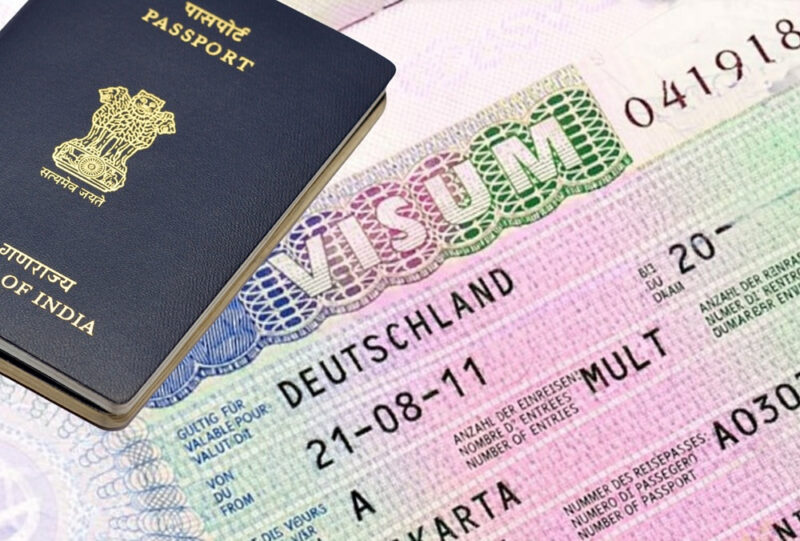
The first thing to get clear is the purpose of travel. For most short trips, Indian passport holders apply for a Germany Schengen visa, also called a short-term or C visa. This is for tourism, family visits, business meetings, trade fairs, short training, or similar stays of up to 90 days.
The German Missions in India state that anyone wishing to stay in Germany for up to 90 days should apply for a Schengen visa.
A national visa, also called a D visa, is different. That is for people planning to stay in Germany for more than 90 days, usually for work, study, training, family reunion, or long-term residence. Mixing these two up is one of the easiest ways to delay your application.
Short Trips, Business Travel And Munich Plans
For tourism or business travel, the Germany visa application from India usually focuses on proving three things: why you are going, how long you will stay, and whether you can pay for the trip. So, a clean itinerary matters.
If you are visiting Munich for a conference, luxury travel, networking, or private leisure, keep every booking consistent with your stated purpose.
Adult travelers planning a more premium Munich stay may also research reputable local lifestyle services such as Louisa while arranging restaurants, hotels, and evening plans.
Just remember that visa officers are not judging your travel style. They are checking whether your documents, dates, finances, accommodation, and return plans make sense together.
Documents Required For Germany Visa From India
The document checklist changes slightly depending on whether you apply for tourism, business, study, work, or family visit. Still, most short-stay applicants need a similar base file.
The German Missions’ visit checklist includes the completed Schengen visa form, signed declarations, a valid passport, passport copies, biometric photo, covering letter, accommodation proof, financial documents, flight reservation, and travel medical insurance.
Keep these essentials ready before booking the appointment:
- Valid passport issued within the last 10 years
- At least two blank passport pages
- Passport validity of at least three months after planned return
- Recent biometric photo with white background
- Covering letter and day-wise itinerary
- Hotel booking or host invitation
- Bank statements, income proof, and employment or business proof
Small mistakes, like missing translations or unstamped bank statements, can create unnecessary trouble.
Proof Of Money, Work And Ties To India
Visa officers want to see that your Germany trip is affordable and that you have a reason to return to India. That is why financial and employment papers matter so much. For employed applicants, the checklist mentions payslips, employment contract, leave approval, bank statements, and income tax proof.
Self-employed applicants usually need business registration, GST details where applicable, ITR records, and stamped bank statements.
Students, retirees, and unemployed applicants should not panic. They simply need documents that explain their situation clearly. A student can show enrollment proof and a no-objection certificate.
A sponsored traveler can submit sponsor documents, but the applicant’s own financial position still matters. The cleaner the story, the better the file.
Germany Visa Fees For Indians In 2026
Germany visa fees for Indians in 2026 depend on the visa category. For a Schengen visa, the German Missions list the adult fee as 90 EUR, shown as 10,100 INR on their India page, while children aged 6 to 12 pay 45 EUR, shown as 5,100 INR. Children under six are listed at zero fee.
The page also notes that amounts are subject to change without prior notice and that the visa fee is not refundable if the visa is rejected.
| Visa type | Main use | 2026 official fee listed |
| Schengen visa adult | Up to 90 days | 90 EUR, 10,100 INR |
| Schengen child 6 to 12 | Up to 90 days | 45 EUR, 5,100 INR |
| National visa adult | More than 90 days | 75 EUR, 8,500 INR |
| National visa minor | More than 90 days | 37.50 EUR, 4,300 INR |
VFS service charges and optional services are separate, so budget for more than the embassy fee alone.
How To Apply For A Germany Visa In India
The application flow is not complicated, but it rewards careful preparation. For a short-stay Germany Schengen visa from India, applicants generally prepare the form, collect documents, book a VFS appointment, attend the visa application centre, submit biometrics if required, pay fees, and wait for processing.
German Missions say Schengen applications can be submitted at VFS centres across India, regardless of place of residence, which helps if your nearest centre is fully booked.
The basic flow looks like this:
- Choose the correct visa type
- Fill the online VIDEX form and print all pages
- Prepare documents in German or English
- Book a VFS appointment
- Attend the appointment with originals and copies
- Track the application after submission
- Collect or receive the passport after decision
Do not depend on agents to “fix” weak documents.
When To Apply And How Long It Takes
Timing is where many applicants get stressed. The German Missions explain that Schengen processing usually takes an average of 15 days after the application reaches the Consulate, and logistics between VFS and the Consulate can add extra time. They also advise applicants to make appointments in time because demand is high.
Important fact: A booked flight ticket does not lead to preferred visa processing, and individual status inquiries are generally not answered within the standard 15-working-day processing period.
Practically speaking, do not apply at the last minute. For a smooth 2026 Germany trip, start preparing at least four to six weeks before travel, earlier during summer, Christmas, university intake periods, or trade fair season.
National Visa For Work, Study Or Long Stay
If your plan is to study, work, join family, take vocational training, or stay beyond 90 days, you are in national visa territory. The German Missions explain that the national visa is the entry visa for a long-term stay and is usually issued for 90 days up to one year, depending on the purpose. After arrival, many applicants must apply for a residence permit in Germany.
For 2026, many national visa types can be started through the Consular Services Portal, including employment, Blue Card, study, training, Opportunity Card, and family reunion categories. The national visa page also warns that false information or false documents can lead to refusal and possible entry bans, so accuracy matters more than clever presentation.
Common Mistakes That Can Hurt Your File
Most Germany visa refusals do not happen because someone forgot one tiny paper. They happen because the overall file feels unclear, incomplete, or inconsistent. For example, a five-star hotel booking with a weak bank balance can raise questions. A business trip without a proper invitation can look thin. A tourism file with no sensible itinerary can feel unfinished.
Watch out for these common problems:
- Travel dates that do not match hotel, insurance, and leave approval
- Bank statements without bank stamp
- Missing ITR, Form 16, GST, or business proof
- Unclear sponsor relationship
- Documents not translated into English or German
- Applying too close to the travel date
Treat the application like a story. Every document should support the same version of events.
Final Checklist
Before your VFS appointment, sit with the full file and review it slowly. Do not just count documents. Check whether the file makes sense to someone who has never met you.
Your passport, form, itinerary, accommodation, insurance, financial proof, employment proof, and travel purpose should all point in the same direction.
The German Missions also make it clear that incomplete documentation can result in rejection, and the visa section is not obliged to request missing documents before denying an application. That is a strong reminder to avoid casual preparation. If your trip is important, prepare like approval matters. A Germany visa for Indians in 2026 is not hard when the file is honest, organized, and submitted early.